
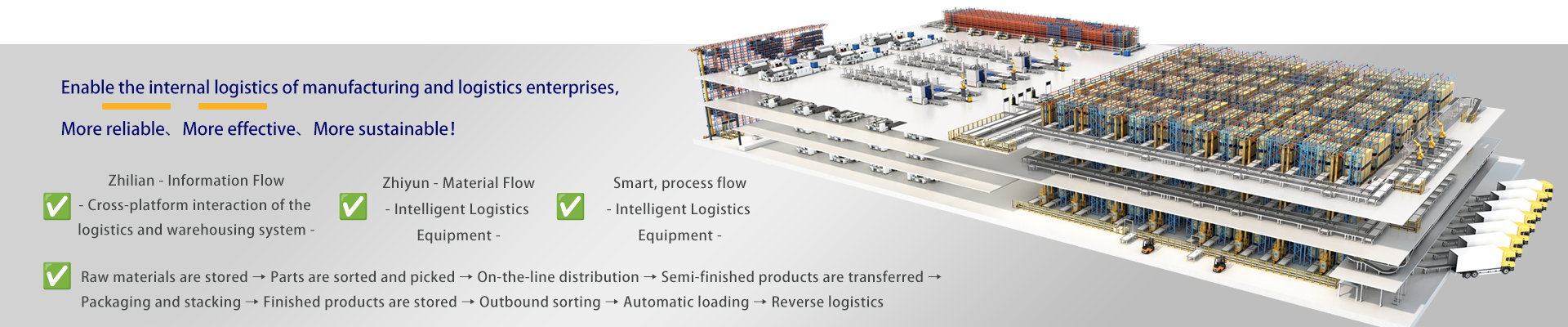
Relying on the WMS (Warehouse Management System), WCS (Warehouse Control System) and automated conveying equipment, the AS/RS builds a standardized inbound and outbound operation chain covering receiving inspection, storage location assignment, automatic putaway, order picking & preparation, outbound recheck and other procedures. It realizes synchronous recording of material flow information and minimizes deviations caused by manual entry.
The inbound process starts when materials arrive at the warehouse platform. After goods reach the inbound port, staff first carry out receiving inspection: verifying material code, batch number, specification and quantity, checking outer packaging for damage, dampness and other abnormalities. After inspection approval, barcodes and RFID tags are bound to pallets or bins, and basic material data is entered into WMS. Non-conforming materials are isolated separately and processed via the abnormal return procedure without entering the automated storage area.
Once data entry is completed, materials are fed onto the conveyor line. As materials pass scanning points, the system identifies item labels. WMS allocates free storage locations according to material attributes, turnover frequency and batch requirements, and sends tasks to WCS simultaneously. WCS dispatches conveying equipment to transfer materials to the corresponding aisle docking position, then stacker cranes, lifts or shuttles complete the putaway operation and deliver goods into designated locations. After putaway, equipment feeds back task completion signals, the system automatically updates inventory data, and the corresponding bin is marked as occupied.
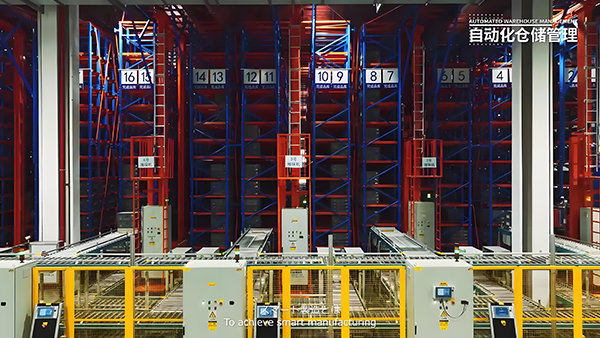
During storage, the system continuously maintains inventory records, tracking the storage position, inbound time, shelf life and other information of each batch of materials. It enforces batch control following business rules to implement FIFO (First In, First Out). Daily inventory checks include manual spot checking and automatic counting. For automatic inventory, the system issues counting instructions, commands stacker cranes to take out goods for barcode verification, automatically generates counting reports, and flags discrepancies for manual review and handling.
Picking is divided into full-pallet picking and scattered bin picking. After receiving picking orders, WMS analyzes order requirements and locks corresponding storage locations. WCS issues retrieval instructions, and automated equipment takes goods out of racks and delivers them to picking stations. Staff sort materials according to picking lists. If leftover goods need to be returned to storage after picking, workers scan codes to confirm information, and the system dispatches equipment to send materials back to bins. All picked goods are gathered in the preparation area waiting for outbound recheck. When multiple orders are processed in parallel, the system consolidates tasks, optimizes equipment travel routes and reduces idle movements.
Outbound recheck is a critical step before shipment. Prepared materials flow to the recheck station, where staff cross-check material codes, quantities and batch numbers against delivery orders to ensure full compliance with order requirements. Scanning is performed during recheck, data is uploaded to the system, and goods are marked as ready for dispatch. Any inconsistent items are held from shipment for traceability investigation; inventory data will be adjusted before resuming the workflow.
Goods that pass recheck are transported by conveyor to the outbound platform awaiting loading and delivery. When materials leave the warehouse, the system records outbound time and associated documents, deducts inventory and closes the outbound workflow. All documents are archived during loading, and handover confirmation is completed with the receiving party.
Abnormal handling branches are embedded in all operations. The system triggers alarms and pauses relevant tasks if barcode scanning fails, location conflicts occur, equipment returns execution errors or picking quantity discrepancies emerge. Maintenance or warehouse staff will troubleshoot on site; tasks can be manually resumed or documents cancelled after issues are resolved.
Throughout the whole workflow, personnel and automated equipment operate in separate zones. Staff only work at receiving, picking and rechecking stations. No personnel are allowed to enter rack aisles while equipment is running to ensure orderly operations.
The inbound and outbound workflow of the AS/RS links physical material flow with data flow, leaving traceable records for every operation. Standardized receiving, location allocation, picking and rechecking procedures streamline material turnover and guarantee stable warehouse operation.

Scan to add WeChat