
Mobile:13631707130
Email:marketing@dgsunli.com
Tel:400-090-1058
Website:www.gdsunli.com
Address:No. 115, Gaojiu Section, Beiwang Road, Gaobu Town, Dongguan City, Guangdong Province
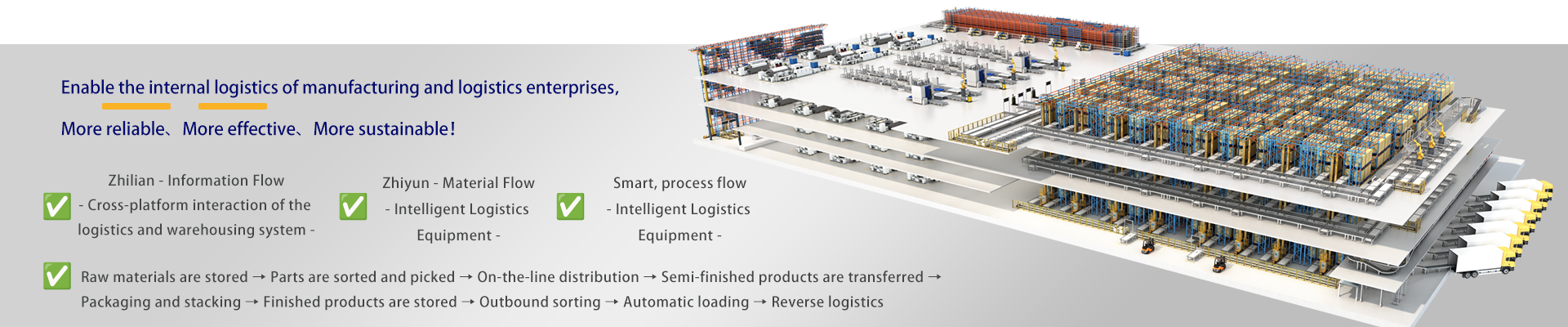
Many enterprises worry about complex equipment structures and frequent breakdowns when considering building an Automated High‑bay Warehouse. In fact, modern high‑bay warehouse adopts modular design. Each stacker crane, conveyor line and racking system can operate independently. Even if one module malfunctions, it will not disrupt the normal operation of the whole warehouse. Meanwhile, most high‑bay warehouse systems are equipped with remote monitoring and alarm functions, which can alert maintenance staff in advance before failures occur, enabling rapid problem locating and troubleshooting.
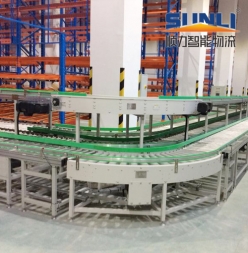
In real‑world practice, an electronics manufacturer ran its high‑bay warehouse for three consecutive years with only a few minor faults, and each maintenance session was completed within half an hour, ensuring production continuity. Compared with manual handling, automated high‑bay warehouses deliver higher stability and prevent incorrect goods stacking caused by operator fatigue or misoperation. To further reduce failure rates, enterprises shall establish standardized daily maintenance regimes, including regular removal of dust and debris, inspection of transmission and lubrication components, and electrical system testing. Many enterprises hold a misconception that equipment can run permanently after purchase while neglecting maintenance, which allows minor issues to accumulate into major failures. In conclusion, automated high‑bay warehouses feature far higher stability than manual operations. The key lies in whether enterprises build a scientific maintenance system to sustain long‑term equipment operation and unlock its full value in warehouse management.

Scan to add WeChat