
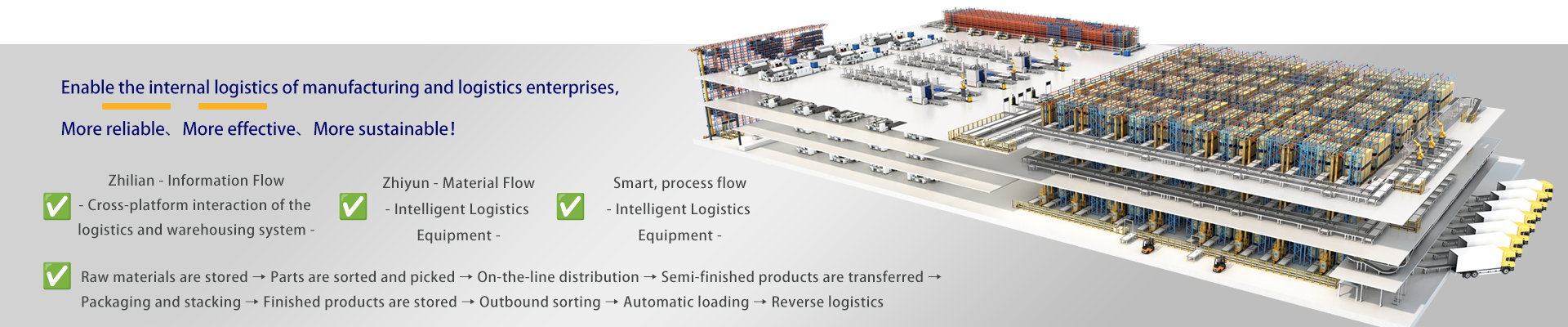
Dimension, bottom structure, load rigidity and appearance condition determine stable warehousing of AS/RS Technical Lead of This Issue: Chai Qiuyu
In the upgrading and renovation of factory warehouses, a common problem often emerges: the pallets used on-site in workshops vary greatly in specifications. They include wooden, plastic and steel pallets of different materials, as well as different bottom structures such as three-runner, nine-leg and field-type pallets. Their dimensions and weights are also inconsistent.
As a result, many enterprises share the same question: Can these various pallets on site be directly connected to the Automated Storage and Retrieval System (AS/RS)? Is it mandatory to replace all of them with unified pallets to realize automation?
This article provides a systematic answer from a practical industry perspective: Multiple types of pallets can be used in the automated warehouse. However, they cannot be adopted arbitrarily. Access is conditional with clear thresholds and proper implementation methods.
A common misconception to correct first: Automated storage systems are not picky, but they follow strict rules.
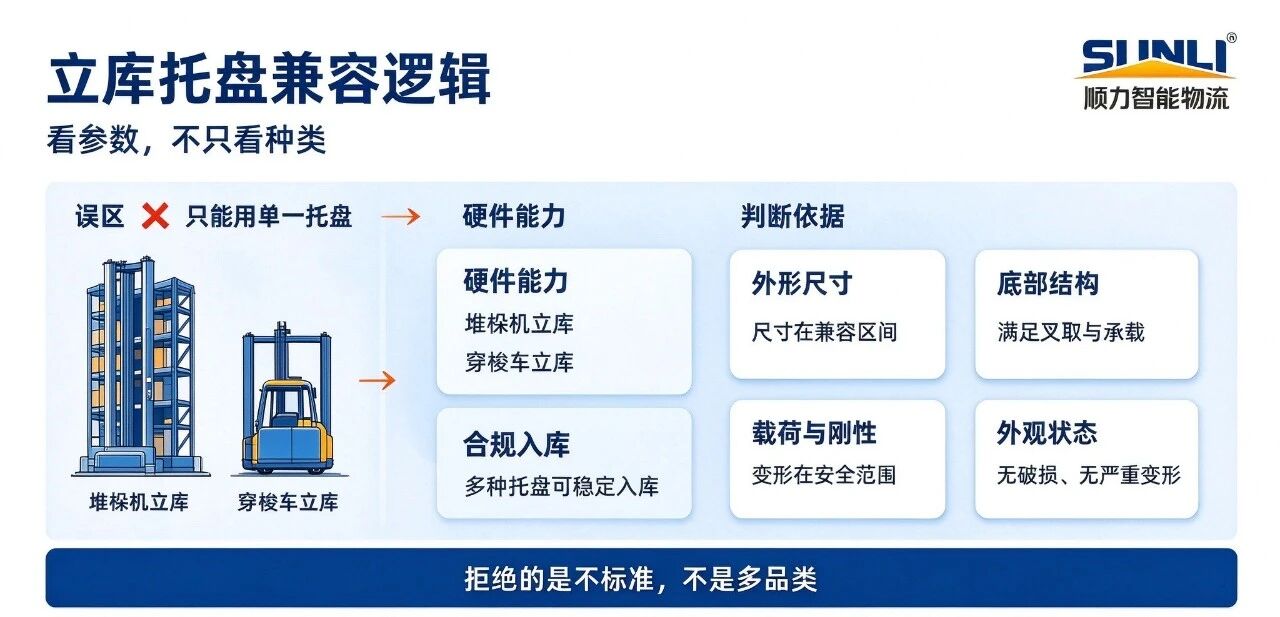
Many people mistakenly believe that automated storage and retrieval systems only work with one single pallet type, and non-standard, used or multi-specification pallets are completely incompatible.
In fact, hardware such as stacker crane warehouses and shuttle racking systems can inherently support multiple compliant pallet types. Automated equipment does not distinguish whether a pallet is new or old, nor its material or appearance. It judges based on four core parameters. As long as these parameters meet requirements, various pallets can be stored stably:
Overall dimensions: length, width and height within the equipment compatibility range; loads without overhang or overheight;
Bottom structure: compatible with fork picking, shuttle support and conveyor handling;
Load capacity and rigidity: pallet deflection under full load stays within specified limits, without bending or fracture;
Appearance condition: no damage, missing feet or severe deformation, with stable positioning reference.
In short: what AS/RS rejects is not "multiple pallet types", but non-standard, irregular, out-of-tolerance, damaged and poorly managed pallets.
Why can pallets usable in conventional warehouses fail to work in automated AS/RS?
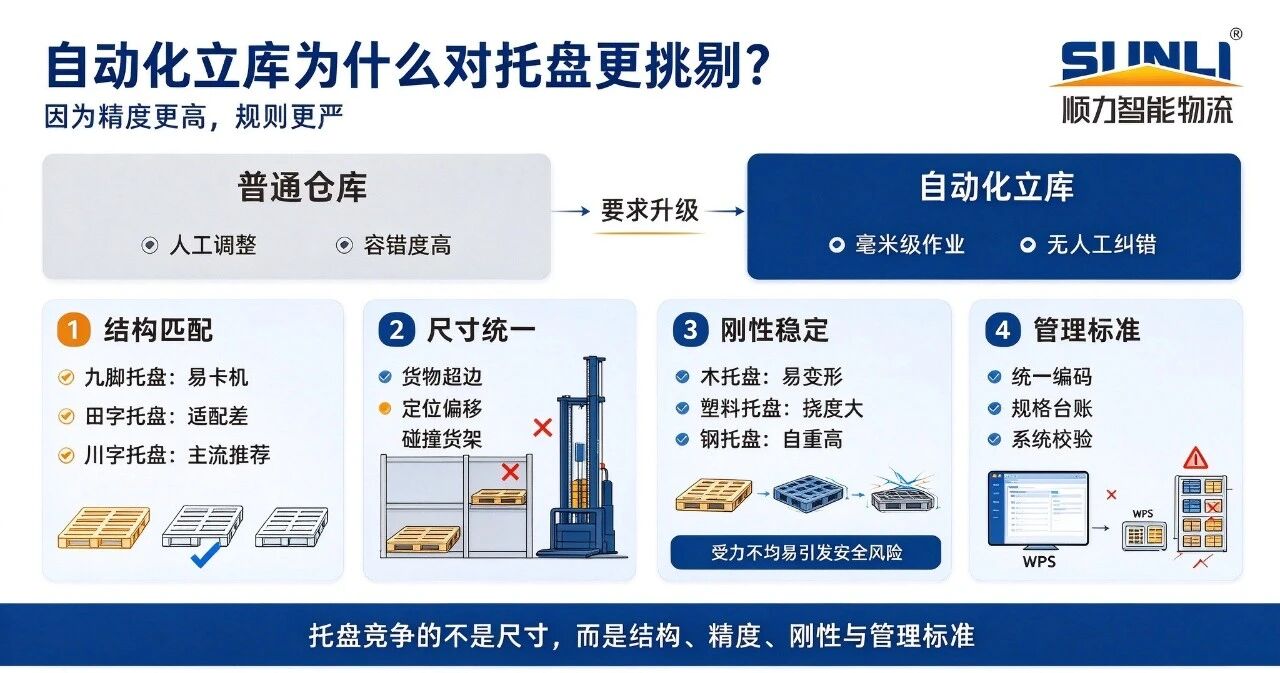
Conventional flat warehouses rely on manual handling and storage with a high fault tolerance. Even if pallets are slightly deformed, goods slightly overhang, or dimensions have minor deviations, operators can manually adjust and avoid obstacles flexibly without disrupting operations.
By contrast, automated storage and retrieval systems adopt mechanical automatic operations with millimeter-level precision. The whole process is scheduled by the WMS and executed by WCS-controlled equipment, with no on-site manual correction.
This multiplies the drawbacks of ordinary pallets:
This is the core issue for mixed pallet storage:
Nine-leg pallets: easy for manual forklift operation, yet they have scattered supporting points and no through fork channels. They are generally incompatible with four-way shuttles and prone to jamming on conveyors, making them high-risk pallets for AS/RS.
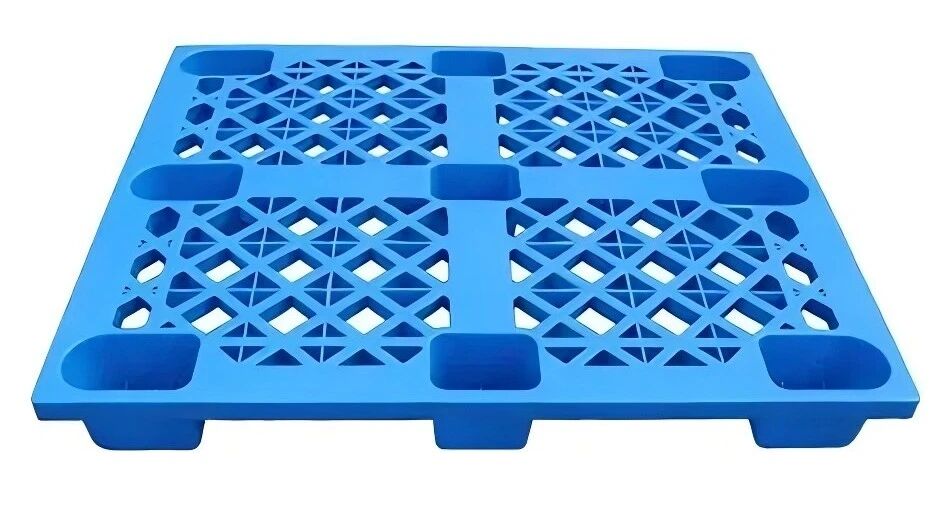
Field-type pallets: good load-bearing performance yet poor fork accessibility. Some stacker cranes cannot pick them directly, requiring additional cross beams and bearer beams.
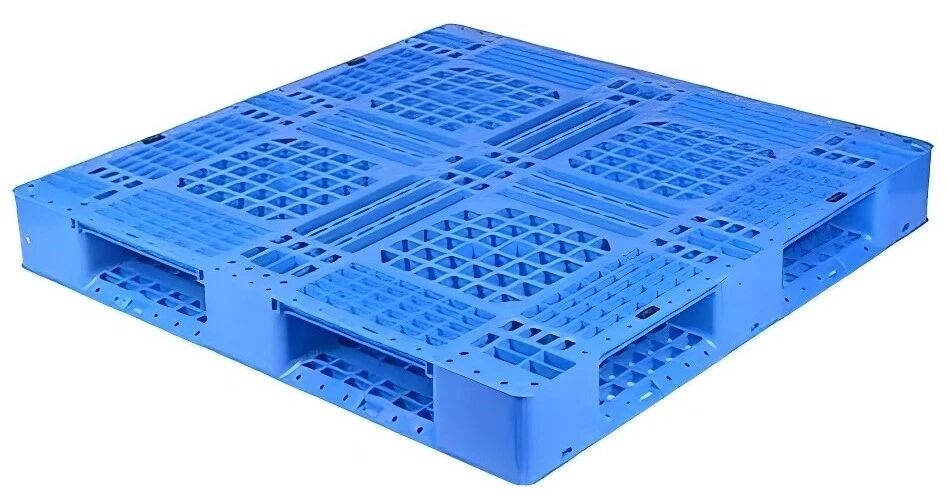
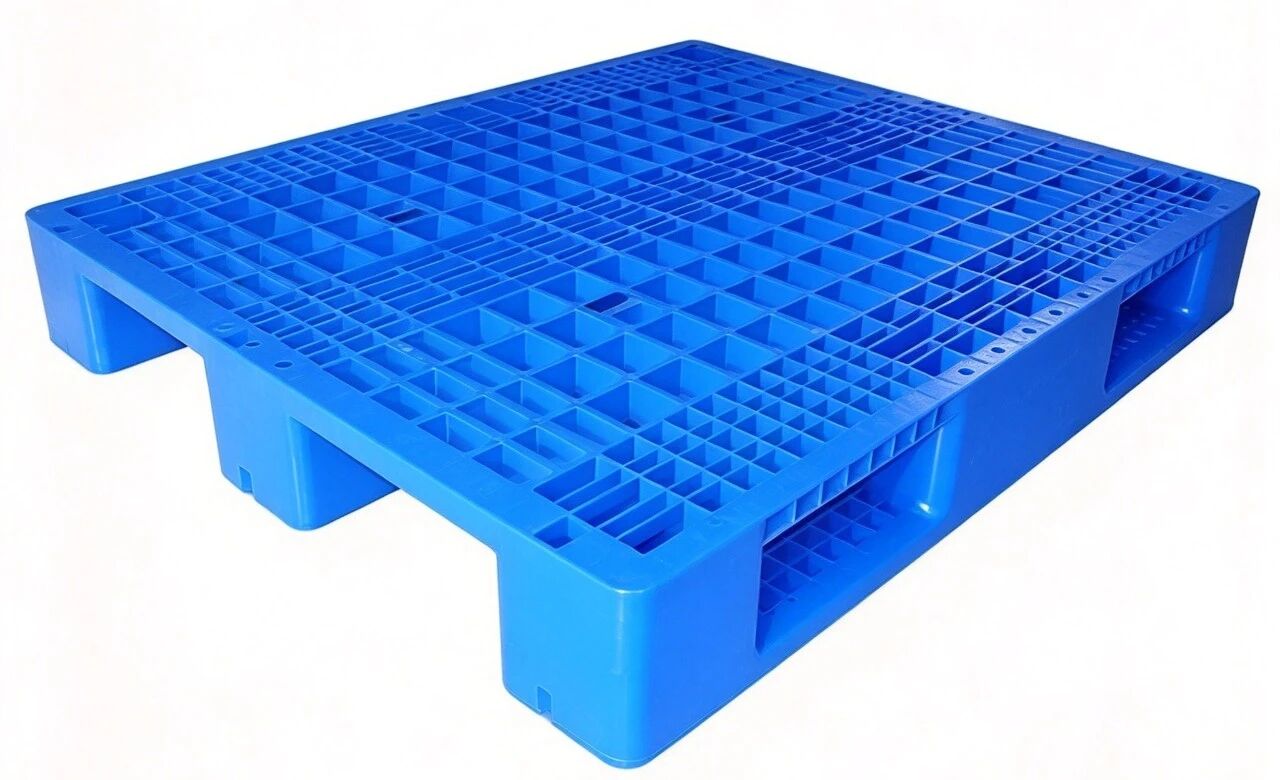
Three-runner pallets: highly versatile. They offer excellent compatibility with stacker cranes, shuttles and conveyors, making them the mainstream pallet structure for automated warehousing.
Inconsistent dimensions lead to collisions and positioning deviation Pallets from different batches and types have minor differences in length, width and height. Coupled with irregular manual stacking and overhanging goods, the following problems may occur:
Stacker cranes collide with racks and storage locations during picking;
Goods fail to seat properly at storage positions, resulting in system coordinate offset;
Unstable center of gravity at high storage positions, with a risk of cargo collapse.
Significant material differences; cracking and deformation create hidden hazards Wooden, plastic and steel pallets vary greatly in material rigidity:
Wooden pallets are susceptible to moisture, deformation and cracking;
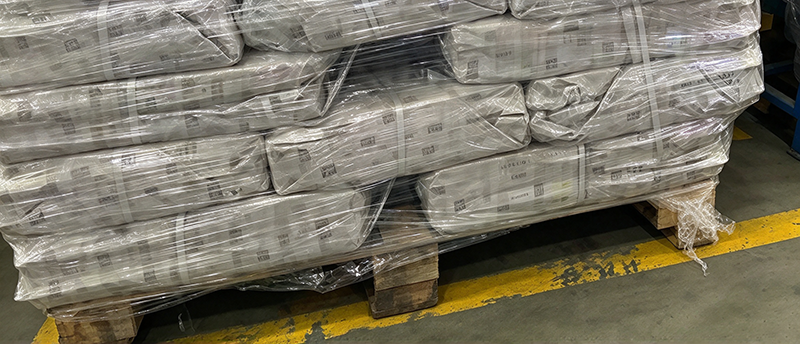
Standard plastic pallets show considerable deflection and obvious sagging under heavy load.
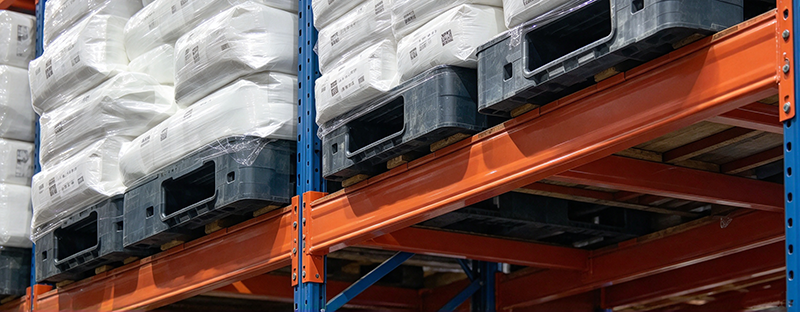
Steel pallets deliver superior rigidity with negligible deflection under full load. This is their core advantage for high-bay racking and heavy-duty applications. Their disadvantage of heavy self-weight can be mitigated through customized design: plate thickness and structure are optimized while load capacity is guaranteed, so that the pallet self-weight stays within the equipment’s rated load range.
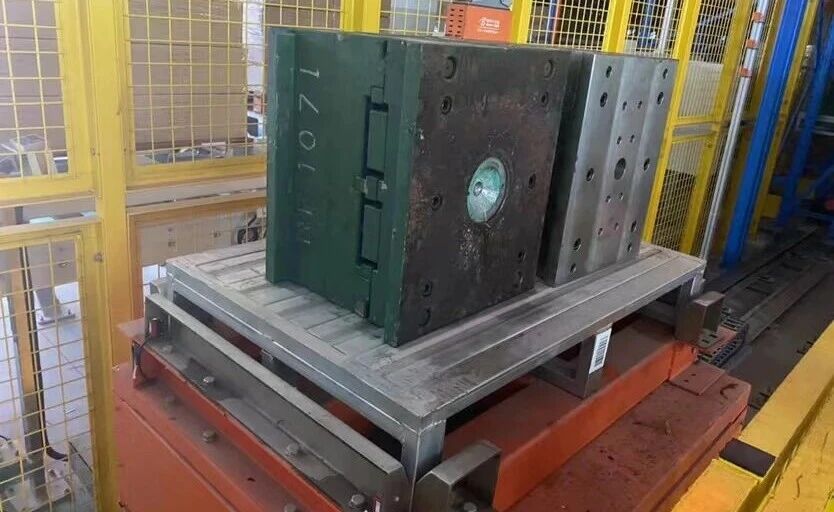
Steel pallets feature high rigidity and barely produce deflection under full load. This is their core advantage for high-level racks and heavy-load scenarios. The drawback of heavy self-weight can be addressed via customized design: optimizing plate thickness and structure while ensuring load capacity, so that the pallet self-weight falls within the rated load range of the equipment.
Lack of unified management standards prevents intelligent system identification Mixed pallets of various types have no unified coding or specification ledger. The WMS cannot identify pallet models and load parameters, nor accurately allocate storage locations or verify storage conditions. This leads to chaos such as large pallets being sent into small slots and heavy pallets placed in light-load zones.
Based on the AS/RS system, first classify all materials by overall dimension and weight, then adopt one of the following two pallet strategies. All pallets (including master pallets) shall be compatible with AS/RS handling equipment and managed uniformly in WMS:
Direct material-on-pallet solution For materials that can be stacked neatly, match standard pallets of specified sizes according to material categories. Materials are stacked directly on these dedicated pallets. All pallet variants meet the support, fork access and conveying requirements of AS/RS equipment. WMS maintains pallet specification records, identifies pallet types upon warehousing, and automatically assigns corresponding slots to enable automated inbound and outbound operations.
Master-slave pallet solution For materials that cannot be destacked or repalletized easily, adopt the master-slave pallet mode. The slave pallet carries the original load and is placed entirely on a master pallet compatible with the AS/RS. Master pallets are also sized by material category to suit stacker and shuttle handling. During operation, the master pallet acts as the automation unit entering the AS/RS, while the slave pallet stays with the goods without altering the original stacking pattern.
As the circulating load base staying inside the warehouse for long-term use, the master pallet requires high dimensional stability and rigidity. Steel pallets are a reliable option here: they will not gradually deform over service life, and unlike wooden pallets, they do not require regular inspection for distortion and pest infestation.
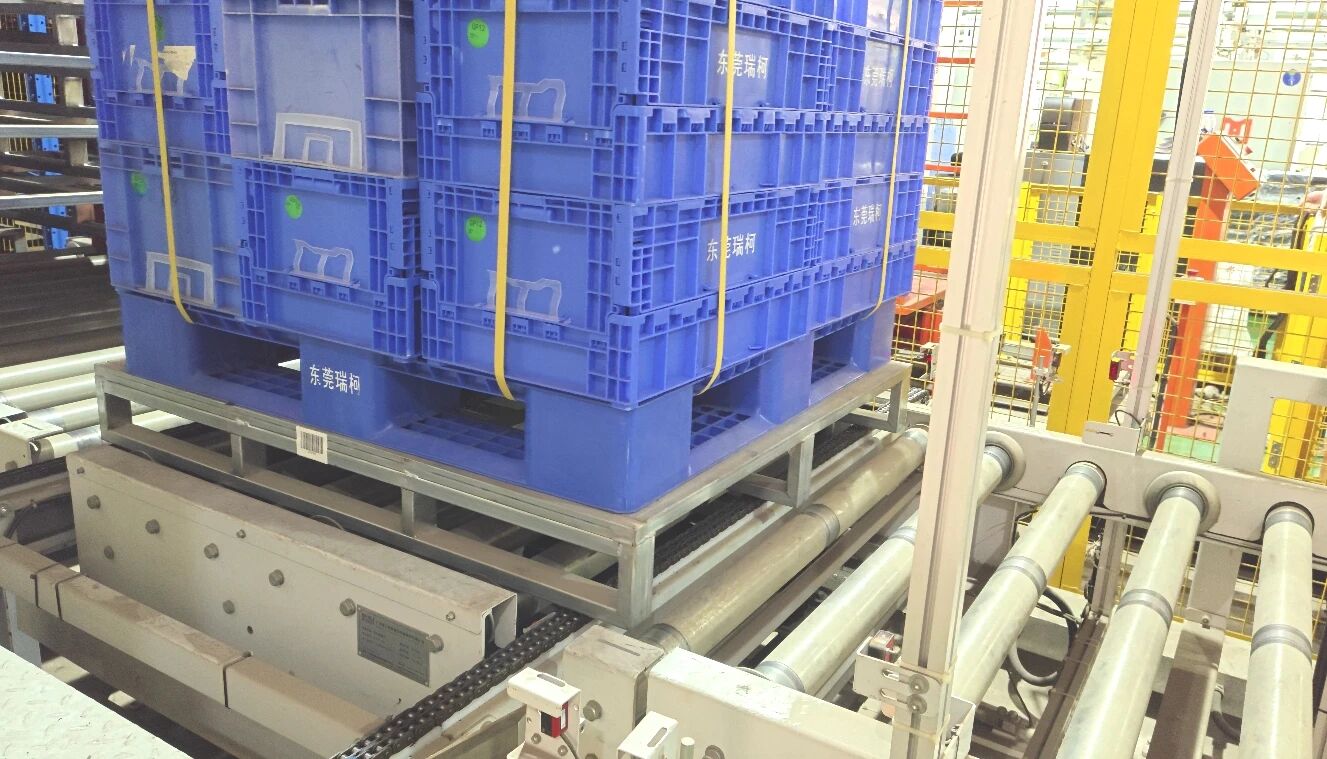
Under both solutions, every load unit entering the AS/RS (either a standalone pallet or a master-slave pallet assembly) undergoes dimension and weight inspection at the inbound front end to verify its outline and load. Non-compliant units will be intercepted. WCS coordinates the equipment to carry out storage and retrieval tasks, ensuring continuous and stable operation of the automated warehouse.
Which pallets are prohibited from entering the automated AS/RS?
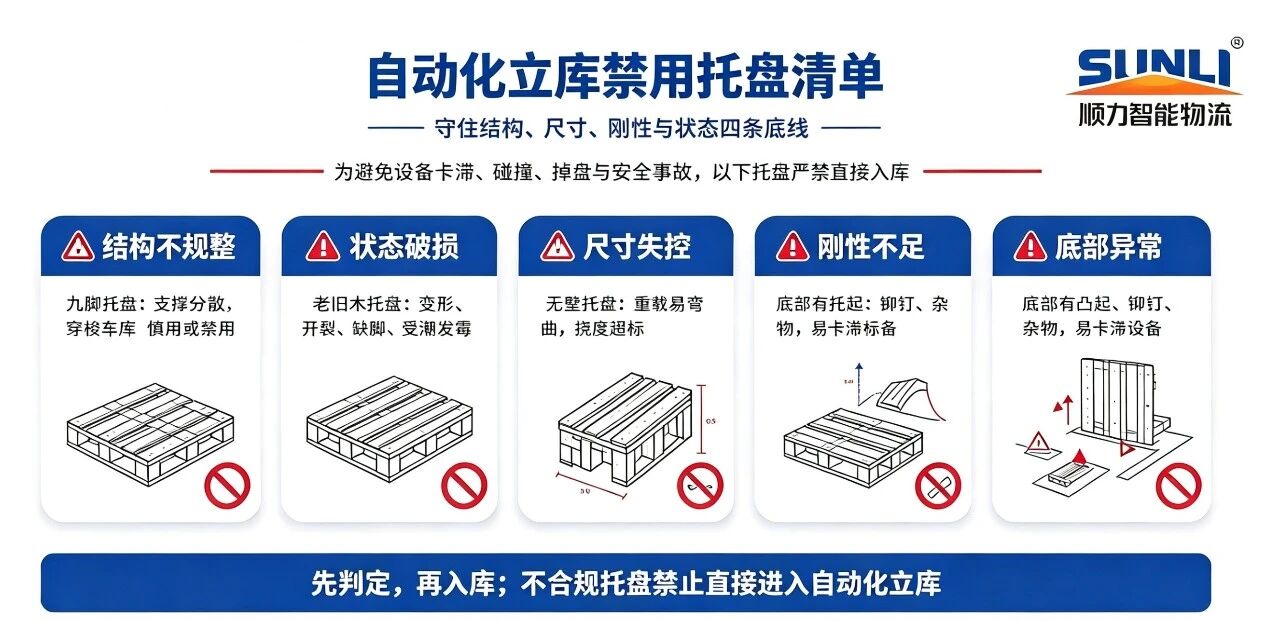
Automated storage and retrieval systems allow inbound storage of multiple compliant pallet types instead of being limited to a single pallet specification. The main constraint for mixed pallet storage does not come from the equipment itself, but from chaotic pallet structures, out-of-tolerance dimensions, poor condition and lack of management standards. Standardized and regulated pallet management is the foundation for stable operation of automated warehousing. The first step toward standardization usually starts with selecting a reference pallet whose performance will not drift over time: stable dimensions, consistent rigidity and controllable condition. Only then can coding, inspection and slot allocation have a stable reference benchmark.
The essence of automated warehousing is never "adapting to one single type of carrier". Instead, it relies on the coordination of standardized management, intelligent systems and compatible hardware to tackle the complex on-site warehousing conditions of enterprises. Proper adoption of mixed-pallet compatible solutions can help enterprises cut renovation costs while realizing automated and intelligent warehouse upgrading.
Sunli Intelligent will keep sharing practical implementation cases of automated warehousing and intelligent logistics to provide references for enterprises’ digital and intelligent transformation.

Scan to add WeChat