
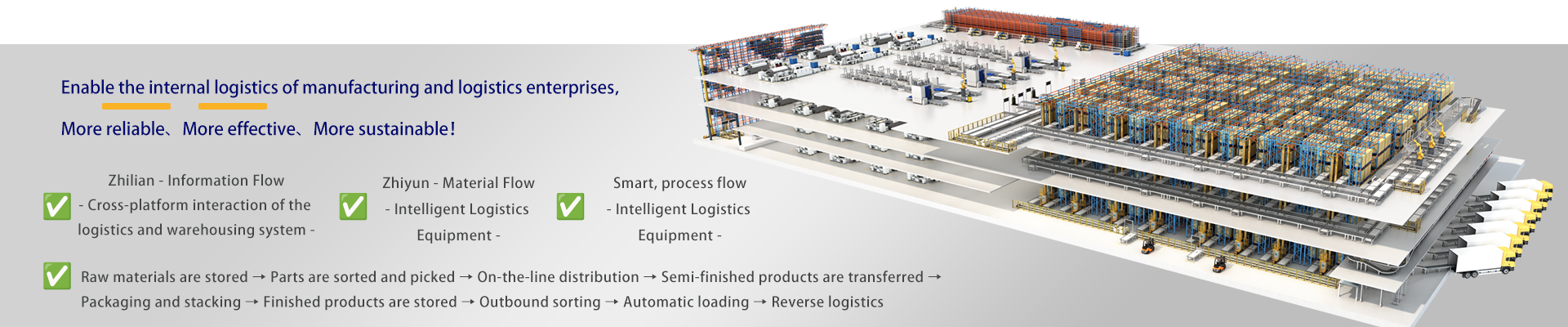
Traditional warehousing models rely on manual registration and manual location‑searching, which frequently lead to inventory discrepancies between physical stocks and records, low operational efficiency and space waste. Integrating digital technologies such as IoT, automatic identification, intelligent scheduling and big data, automated high‑bay warehouses reshape warehouse management patterns and drive warehouses to shift from manual administration to digital autonomous control.
Leveraging digital identification technologies, automated high‑bay warehouses collect cargo information automatically. With barcode and RFID readers, product specifications, batches, quantities, production dates and other data are logged the moment goods are received. The system automatically assigns storage locations without manual entry, reducing input errors at source and enabling full‑traceability of goods.
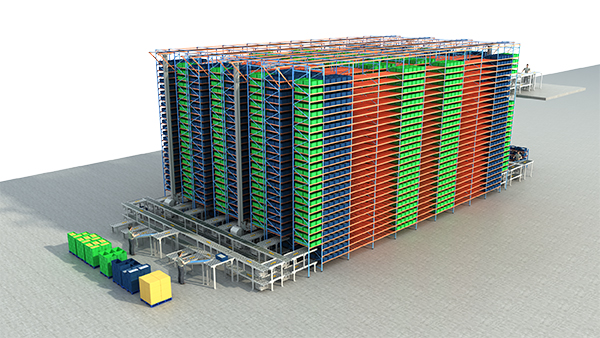
Intelligent scheduling algorithms form the core of digital management. Based on order urgency, location layout and equipment status, the system automatically plans storage‑retrieval paths and rationally assigns tasks to stacker cranes and conveyor lines to prevent equipment conflicts and detoured routes. When material supply is needed for production lines or order outbound operations are triggered, work tasks are generated automatically to realize autonomous material dispatching.
Digital technologies break down information barriers and realize end‑to‑end data interconnection. The automated high‑bay warehouse system can interface with enterprise MES manufacturing systems and ERP resource management systems. Real‑time material consumption data from production lines are synchronized to the warehouse, allowing the system to forecast inventory levels and trigger automatic replenishment alerts. Warehouse inbound‑outbound data are fed back to management platforms in real time, so administrators can remotely monitor live inventory, equipment operating status and inbound‑outbound reports.
Furthermore, big data is adopted for continuous warehouse‑operation optimization. The system keeps long‑term records of goods turnover frequency, automatically adjusts storage zones for fast‑moving items to shorten access distances, and monitors equipment operating data for early fault warnings and preventive maintenance.
Overall, digital technologies free automated high‑bay warehouses from manual‑experience limitations. Intelligent location assignment, automatic task scheduling, real‑time inventory monitoring and cross‑system data connectivity are achieved, building a modern warehousing system featuring automation, visualization and refined management.

Scan to add WeChat